

Get in touch
Cardiovascular

Coronary Vascular

Here's the coronary combination product challenge. Your drug-coated balloon faces a double challenge. The drug must enter the vessel wall and be retained. The drug coating has to prevent restenosis. That means coordinating CDRH and CDER reviews. We test both the device and the drug together, giving you integrated data that satisfies both centers. Your drug-eluting stent must work mechanically AND deliver drugs effectively. That means coordinating CDRH and CDER reviews. We help you generate the integrated device drug data that both FDA centers need to see.

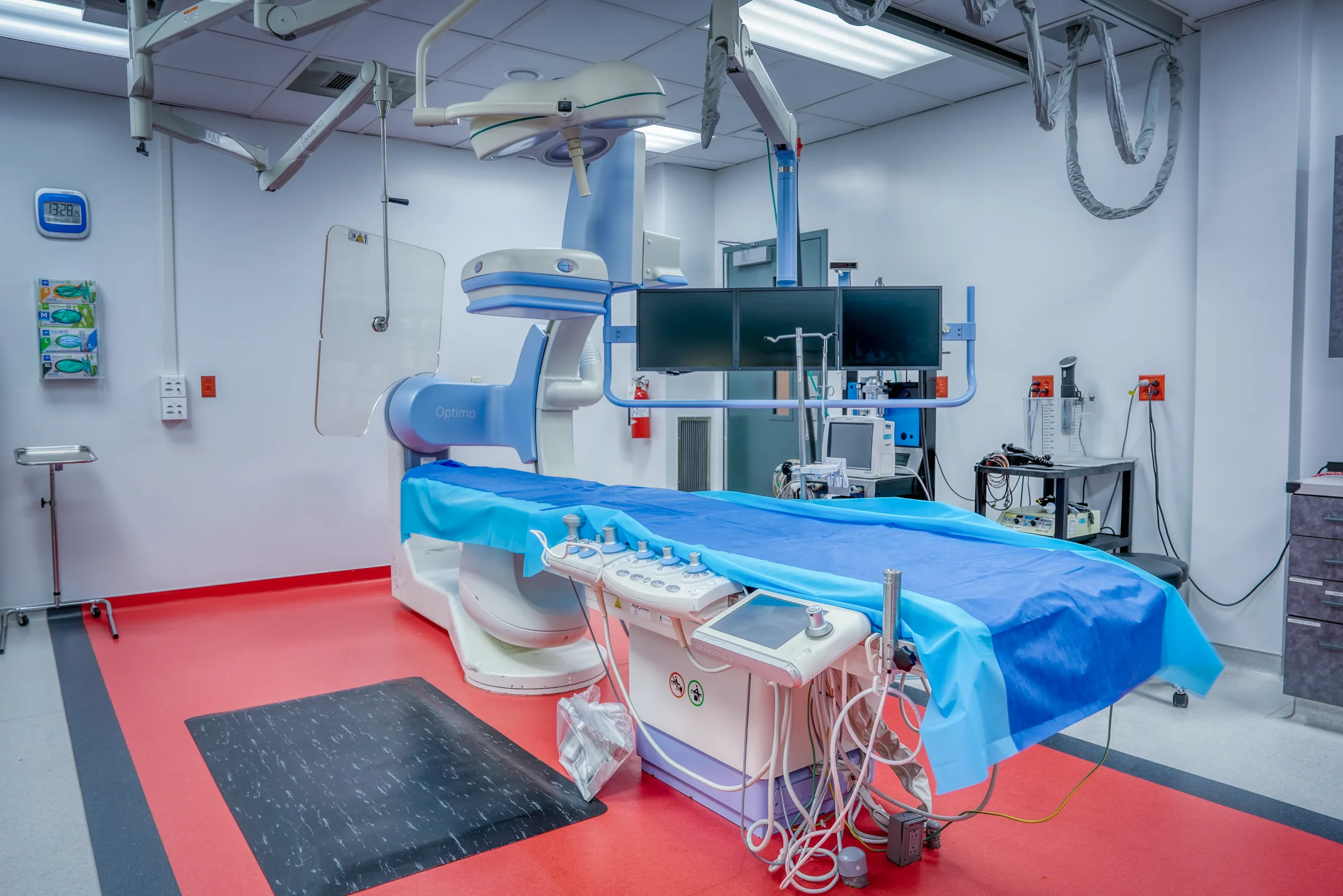
Coronary vascular device testing with drug-eluting stent validation equipment

Our Coronary Vascular Expertise

Coronary devices need to prevent restenosis while the vessel heals. That's the fundamental challenge. Your drug-eluting stent has to perform mechanically, maintain polymer stability, and deliver antiproliferative drugs effectively. Drug-coated balloons face an even tighter window. They transfer drugs in seconds, not weeks. Both need therapeutic tissue concentrations without excess systemic exposure.

Here's what we test. Mechanical integrity through radial force and recoil measurement. Deployment behavior in anatomically accurate coronary models. Drug release kinetics using HPLC. Where does the drug go in the arterial wall? How fast does the polymer degrade? For balloons, we measure transfer efficiency during inflation and coating adhesion during tracking. Does the drug penetrate tissue fast enough?

Complete Coronary Vascular Capabilities

DES

Drug-eluting stents are combination products. That means CDRH reviews device mechanics while CDER reviews the drug. You need integrated data that satisfies both. We measure drug release using HPLC and track tissue uptake to verify therapeutic concentrations that prevent restenosis. We assess polymer quality, mechanical performance, and vessel healing. Our protocols address both 510(k) and PMA pathway requirements for CDRH and CDER review.
DCB

Here's the DCB challenge. You inflate for 30 seconds. Maybe 60. In that brief time, your coating has to transfer therapeutic drugs into the vessel wall. We test drug transfer kinetics during inflation and measure tissue concentrations afterward. We assess coating adhesion during tracking and drug penetration depth into arterial layers. This demonstrates your balloon delivers antiproliferative concentrations in the short window you have.

Coronary Vascular at Synchrony Labs

Ready to Start Your Coronary Vascular Program?

Let's talk about your device. Stent or balloon. What pathway makes sense. How to coordinate CDRH and CDER reviews. We'll design a validation strategy that gets you the integrated data you need.

Schedule Consultation