
Get in touch
Areas of Expertise

Musculoskeletal

Joint repair therapies must prove effectiveness in degenerating cartilage where breakdown already progressed. Critical size bone defects won't heal without intervention. Your fracture repair device needs to demonstrate new bone formation while maintaining mechanical stability throughout the healing process.

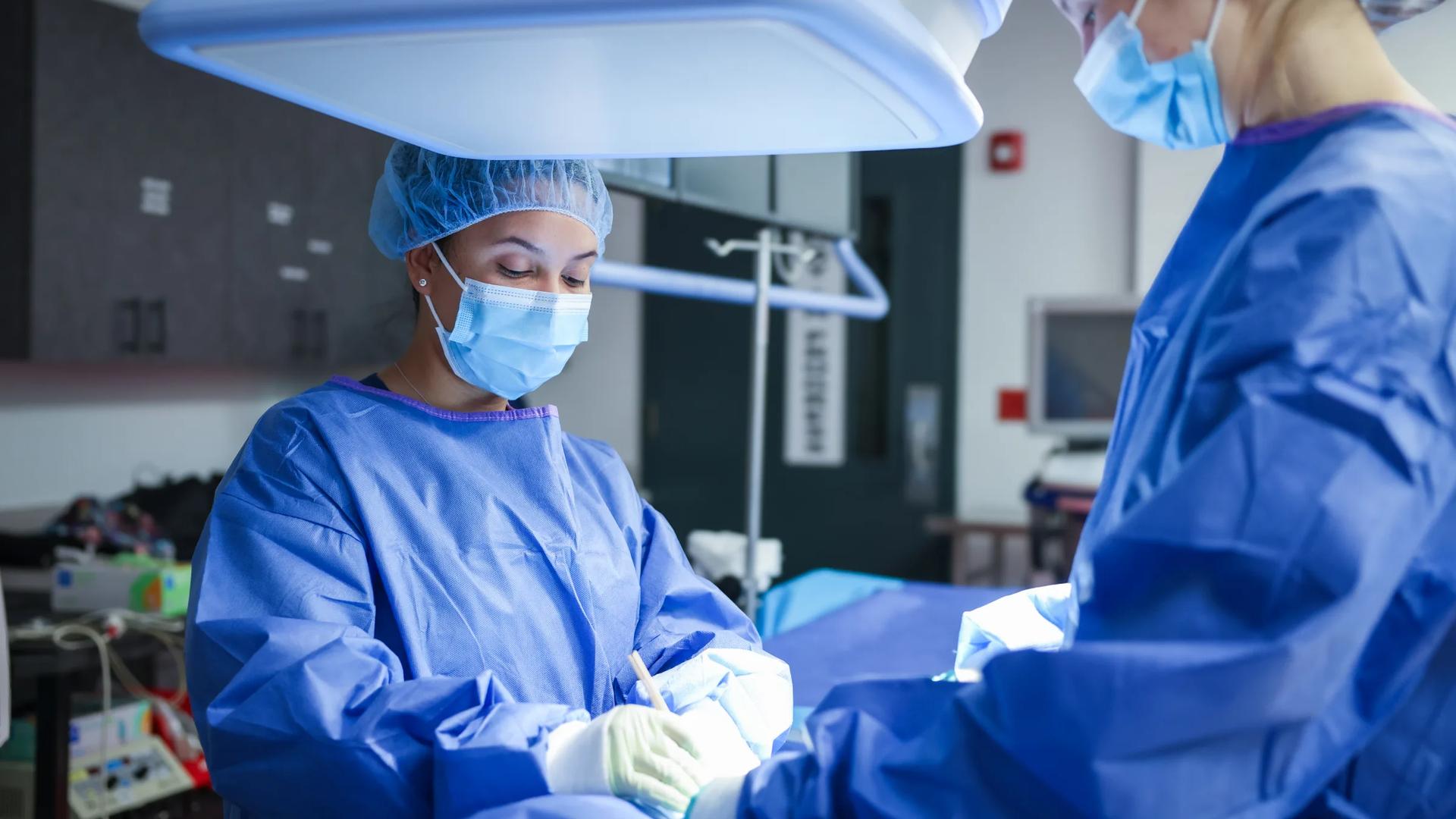
Orthopedic device testing laboratory with biomechanical equipment and imaging systems

Our Orthopedic Expertise

Load-bearing implants require durability testing that simulates years of mechanical stress. Each device type requires specialized validation approaches. Our orthopedic disease models replicate the conditions your device will face clinically.

Our 40 years of implant experience and comprehensive biomechanical capabilities provide the mechanical and biological data FDA reviewers expect. We understand joint biomechanics, bone healing physiology, and what makes orthopedic testing different.

Complete Musculoskeletal Capabilities

Osteoarthritis Models

Joint degeneration therapies need validated disease models. Your intervention must prove effectiveness in environments that replicate cartilage breakdown and subchondral bone changes during osteoarthritis progression. We develop osteoarthritis models using standardized surgical induction methods that replicate cartilage fibrillation, proteoglycan loss, and inflammatory synovial changes. We use modified Mankin scoring, validated pain behavior assessments, and imaging biomarkers to track disease progression. This addresses both 510(k) pathways and investigational protocols supporting clinical trial design.
Bone Healing

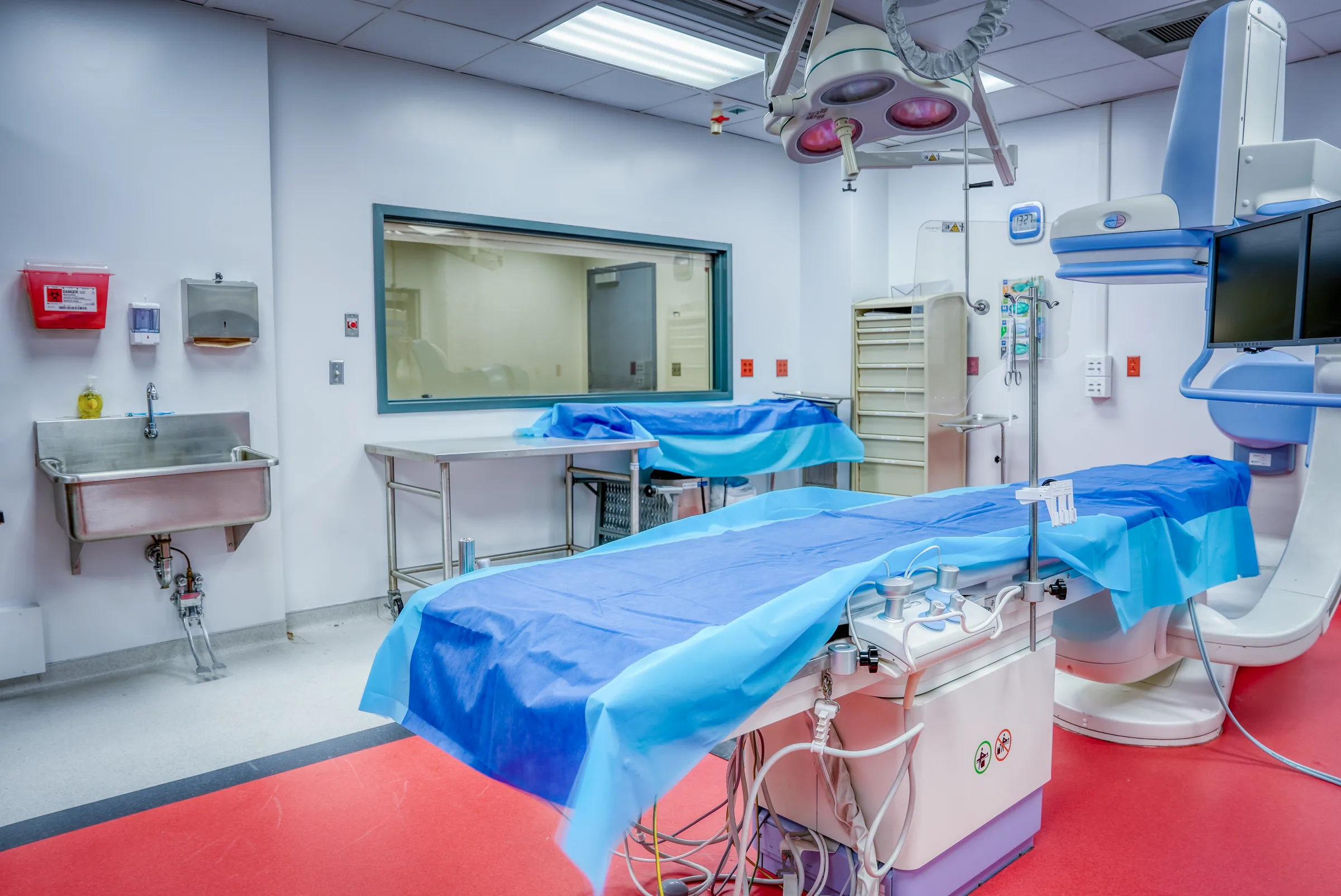
Bone repair technologies face a double challenge. Your device must prove osteogenic effectiveness and mechanical stability throughout healing phases. Critical size bone gaps won't heal without intervention. We test fracture fixation using standardized critical size defect models following ASTM F1717 standards. We quantify bone formation using micro-CT volumetric analysis and histomorphometry to measure new bone area. Our protocols address both 510(k) and PMA pathways from metallic fixation plates to bioresorbable scaffolds and bone graft substitutes.

Musculoskeletal at Synchrony Labs

Ready to Start Your Musculoskeletal Program?

Let's discuss your device and what regulatory pathway makes sense. We'll design a validation strategy that addresses both mechanical performance and biological effectiveness.

Schedule Consultation