01Shunts
Here's what makes shunt testing challenging. CSF must drain when pressure is too high but not so fast that it causes complications. Your valve needs to respond to real intracranial pressure changes. We test shunt performance using validated hydrocephalus models that replicate elevated pressure and altered CSF dynamics. We measure valve accuracy, flow rates, and catheter patency. This addresses both 510(k) and PMA pathway requirements for fixed pressure valves and programmable systems.
02Dural Sealants
Dural sealants face a tough test. Intracranial pressure pushes against your seal throughout healing, and neural tissue cannot tolerate toxic materials. We measure adhesion strength using standardized burst pressure protocols and track tissue response at the dural interface. Our GLP protocols support submissions across fibrin-based, PEG, and biological platforms following ISO 10993 standards including neurotoxicity assessment per FDA neurological device guidance.
03Spinal Nerve Stimulation
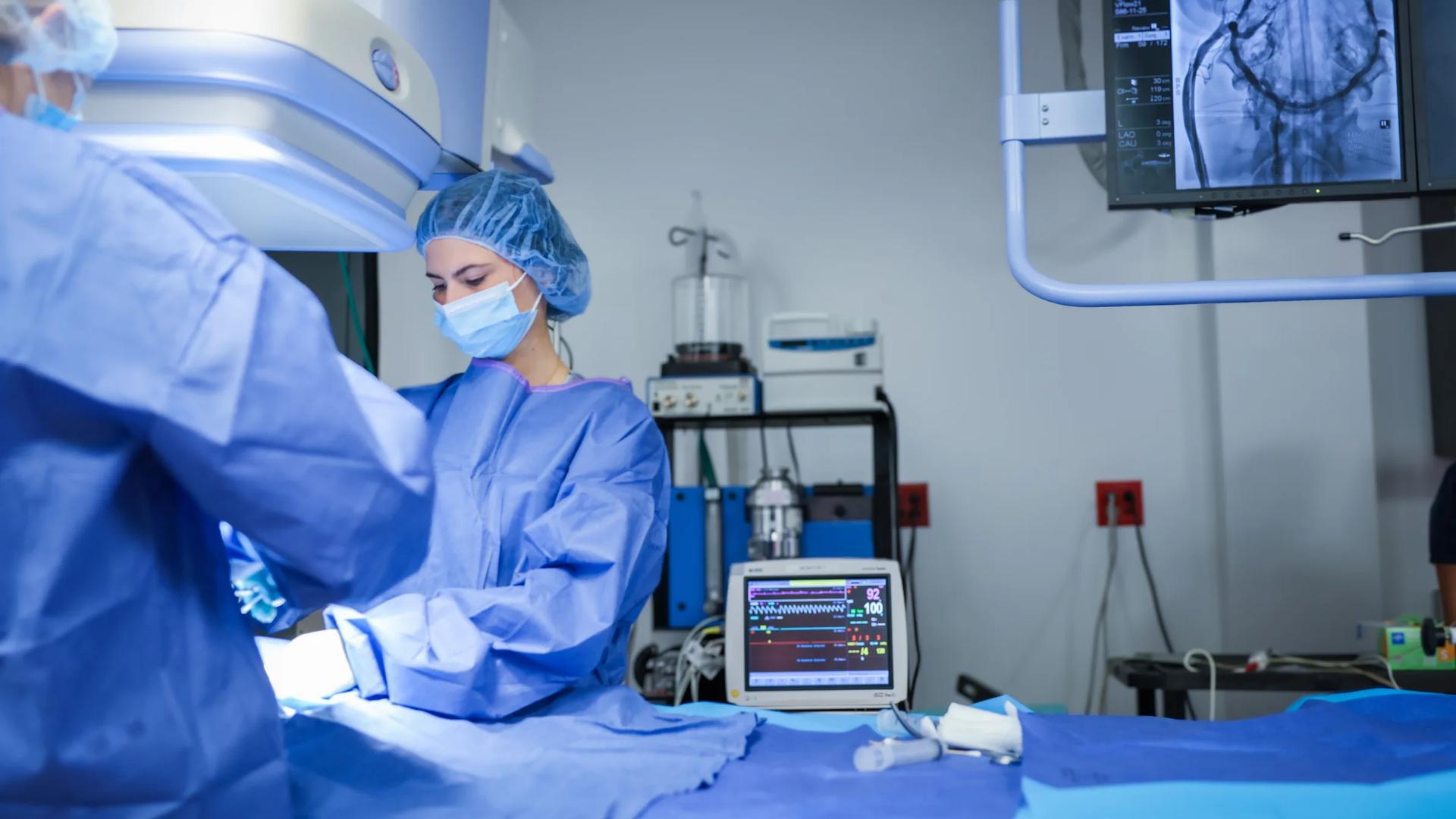
Spinal cord stimulation is about location. Your electrode array needs precise epidural space placement to modulate pain signals and remain safe during chronic implantation. We test lead placement using fluoroscopic guidance to document navigation and positioning relative to target spinal segments. We measure stimulation thresholds, current distribution, and neural recruitment. Our protocols evaluate tonic and burst waveform patterns for both paddle arrays and percutaneous leads following IEC 60601 standards for Class III PMA requirements.