01Bariatric Therapies
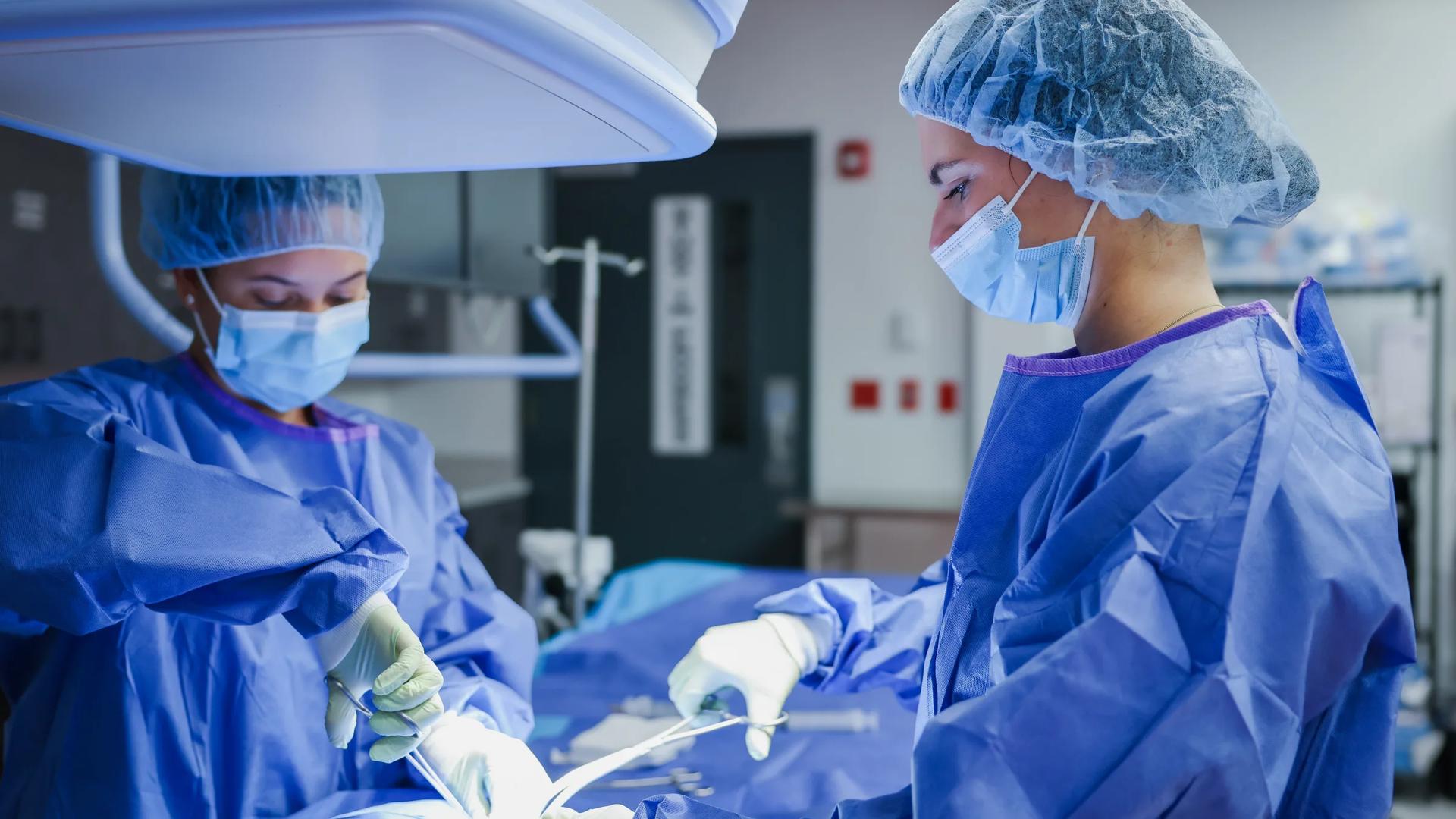
Here's the bariatric device challenge. Your device must prove therapeutic effectiveness in severe obesity conditions with metabolically dysfunctional environments and altered anatomy under sustained mechanical stress. We test bariatric devices using obesity models that replicate metabolic dysfunction and obesity anatomy. We assess device durability, tissue response at implant interfaces, and weight management effectiveness. Our protocols address both 510(k) and PMA pathways from adjustable gastric bands to endoscopic sleeve positioning.
02Robotics
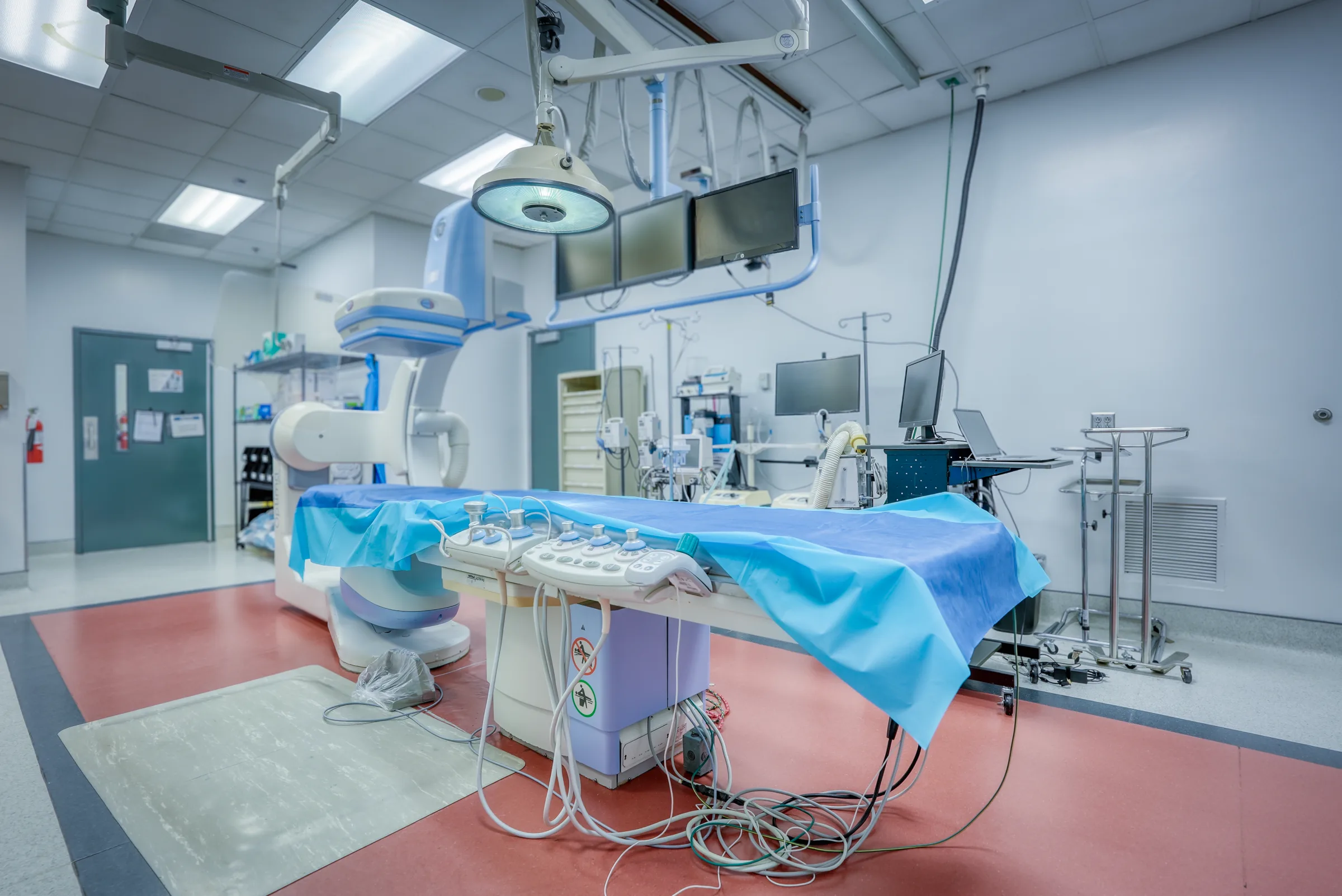
Robotic surgery promises precision, but teleoperation accuracy must translate to actual tissue manipulation during procedures. Your articulating instruments need to perform through complex motion sequences. We test instrument performance measuring force feedback accuracy, tremor filtration, jaw closure forces, and articulation precision across multiple degrees of freedom. Our surgical suites accommodate complete robotic platforms configured to match OR setups, enabling comprehensive validation per ASTM surgical device standards.
03Sealants
Anastomotic leaks are serious complications. Your sealant must prevent them with adhesion strength sufficient to withstand intestinal pressure and support tissue healing without inflammation. We measure seal integrity using burst pressure protocols and assess healing quality and biocompatibility at application sites. Our GLP protocols support submissions across fibrin-based, synthetic polymer, and biological platforms following ISO 10993 and ASTM surgical sealant standards for GI applications.